Review: One Battle After Another (2025) – Paul Thomas Anderson’s Triumphant, Timely Epic of Rebellion & Regret
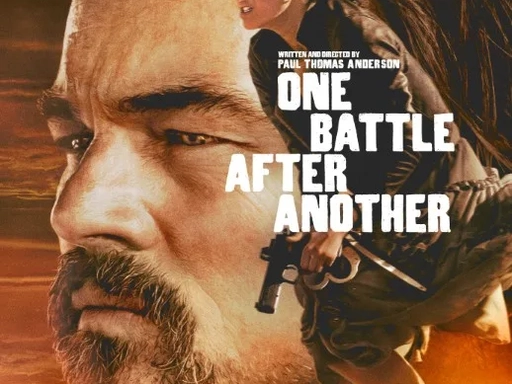
Paul Thomas Anderson has long been cinema’s great alchemist, spinning intimate, messy human stories into grand, operatic tapestries. With One Battle After Another—his long-gestating adaptation of Thomas Pynchon’s 1990 novel Vineland—the filmmaker delivers his most ambitious, politically charged, and unexpectedly accessible work to date. A fiery, funny, and profoundly tragic saga of former radicals, authoritarian rot, and generational fallout, this 1980s-set epic feels less like a period piece and more like a searing mirror held up to 2025’s fractured world. It is not merely one of the year’s best films; it is a vital, electrifying masterpiece that cements Anderson’s status as America’s greatest living director.
A Washed-Up Revolutionary & a Father’s Worst Fear
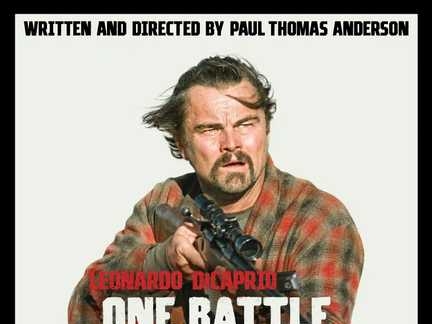
Set against the sunbaked, paranoid sprawl of 1980s Northern California, One Battle After Another centers on Bob Ferguson (Leonardo DiCaprio), a once-fervent left-wing revolutionary and explosives expert for the radical cell “French 75.” Sixteen years after a botched border detention center raid forced him underground, Bob exists in a hazy fog of cannabis, paranoia, and regret—off-grid, isolated, and clinging to the only thing that matters: his sharp, fiercely independent 16-year-old daughter, Willa (Chase Infiniti). Their fragile peace shatters when Bob’s demonic old nemesis, the corrupt, power-mad Colonel Steven J. Lockjaw (Sean Penn), resurfaces. Now a high-ranking military fixer desperate to erase his past to join a white supremacist secret society, Lockjaw kidnaps Willa, igniting a cross-country manhunt that drags Bob back into the violent, morally murky world he fled.
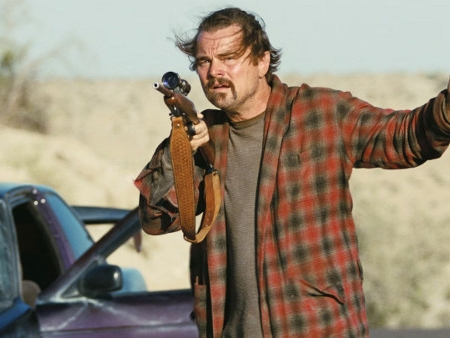
What begins as a taut missing-persons thriller evolves into a sprawling, shaggy-dog epic. Bob reunites with his ragtag former comrades: the sharp-tongued Deandra (Regina Hall), the relentless cell leader Perfidia (Teyana Taylor, Willa’s estranged mother), and the enigmatic, karate-teaching community guardian Sergio (Benicio del Toro). Together, they navigate a labyrinth of corrupt cops, double-crosses, and bureaucratic evil, all while confronting the ghosts of their violent past. DiCaprio delivers a career-redefining turn as Bob—a slovenly, bathrobe-clad wreck of a man, equal parts hilarious and heartbreaking. He is not the suave hero of blockbusters past; he is a broken, stoned idealist, his hands still stained from old bombs, his voice a gravelly mumble of guilt and fear. Every slouched posture, every glazed-eyed panic attack, every desperate plea to find his daughter radiates raw, unglamorous humanity.
The Moral Core: Chase Infiniti’s Breakout Star Turn
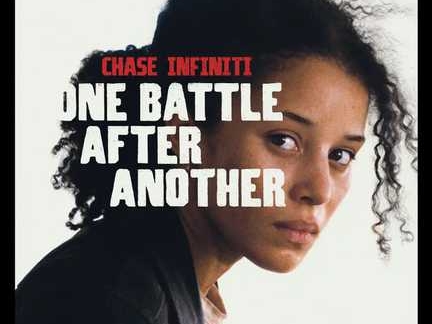
The film’s beating, unbreakable heart is newcomer Chase Infiniti as Willa. In a star-making performance, Infiniti portrays a teenager caught between two worlds: a normal high school life and the radical, dangerous legacy of her parents. She is tough, witty, and world-weary beyond her years—equal parts frustrated by her father’s cowardice and terrified of the cycle of violence he cannot escape. Her chemistry with DiCaprio is electrifying; their scenes together hum with the messy love, resentment, and quiet understanding of a real father and daughter. When Willa finally learns the full truth of her parents’ revolutionary past and Lockjaw’s twisted connection to her, her journey from skeptical bystander to defiant young woman becomes the film’s emotional and thematic anchor.
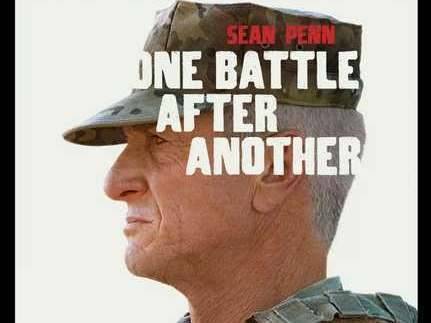
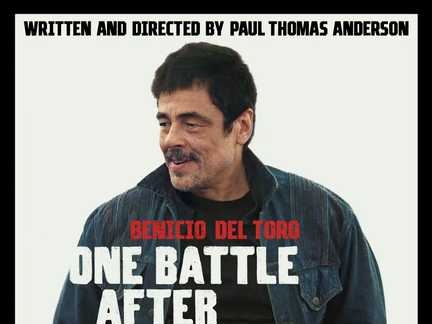
Sean Penn is equally mesmerizing as the villainous Lockjaw—a snarling, fascistic caricature of militaristic excess, yet grounded in terrifying plausibility. Penn chews scenery with glee, portraying a man consumed by petty hatreds and authoritarian ambition, but he never descends into camp. Lockjaw is a monster born of systemic rot, a symbol of the unaccountable power the French 75 once fought to destroy. The supporting cast is flawless across the board: Benicio del Toro oozes quiet cool as the wise, mysterious Sergio; Regina Hall delivers razor-sharp one-liners and weary gravitas; and Teyana Taylor burns bright as Perfidia, a revolutionary broken by failure but unbroken in spirit.
Style, Sound & Satire: Anderson at His Most Daring
Visually, One Battle After Another is a marvel. Shot on glorious VistaVision and Super 35mm by cinematographer Michael Bauman, the film bathes 1980s California in a sun-bleached, hazy glow—equal parts nostalgic and menacing. The wide, desolate desert highways, cluttered trailer parks, and sterile government buildings create a world of stark contrasts: freedom and entrapment, idealism and decay. Anderson’s signature long takes and fluid camera movements lend the film an almost musical rhythm, shifting seamlessly between breakneck action sequences—including a jaw-dropping desert car chase and a tense, explosive climax—and quiet, intimate character moments.
Jonny Greenwood’s score is another triumph, blending jazzy piano riffs, brooding strings, and discordant industrial pulses that mirror the film’s tonal chaos—equal parts suspense, humor, and sorrow. The soundtrack, featuring deep cuts from Steely Dan, X, and other 80s icons, anchors the film in its era while elevating its emotional stakes.
Beneath its thriller trappings, One Battle After Another is a sharp, unflinching satire of political extremism—on both the left and the right. Anderson does not glorify the French 75’s violence; he frames their youthful idealism as naive, destructive, and ultimately self-defeating. Nor does he paint Lockjaw’s authoritarianism as merely cartoonish evil; he exposes it as the logical end of unaccountable power and white nationalist paranoia. The film is a timeless critique of hero worship, the cost of rebellion, and how even the purest ideals can curdle into fanaticism. It asks a simple, devastating question: What happens when the fight never ends—when you become the very thing you swore to destroy?

Conclusion: A Modern Classic for Our Chaotic Times
At 162 minutes, One Battle After Another is long but never overlong. Anderson balances breakneck plotting, dark comedy, and searing drama with masterful precision, creating a film that feels both sprawling and intimate, epic and personal. It is his most unapologetically entertaining film in years—funny, thrilling, and deeply moving—yet it never sacrifices intellectual rigor or emotional honesty.
In an era of bloated franchise sequels and safe, formulaic blockbusters, One Battle After Another is a radical act: a big-budget, star-studded epic that demands engagement, challenges complacency, and refuses to talk down to its audience. It is a film about the battles we choose to fight—and the ones that choose us. For Bob, Willa, and their broken band of ex-radicals, peace is not an end to conflict, but the courage to move beyond it.
One Battle After Another is more than a great movie. It is the film we need right now: a passionate, unflinching, and profoundly humanist story about regret, redemption, and the endless fight for a better world—for ourselves, and for the next generation. Paul Thomas Anderson has given us a modern classic, and Leonardo DiCaprio, Chase Infiniti, and the entire cast have delivered performances for the ages. Do not miss it.
Final Verdict: A fiery, funny, and devastating masterpiece—equal parts political thriller, family drama, and timely satire. One Battle After Another is the best film of 2025 and a crowning achievement for Paul Thomas Anderson. Essential, unmissable cinema.