Review: Spider-Man: Freshman Year (2026) – A Triumphant, Heartfelt Return to Spider-Man’s Comic Roots
In an era saturated with live-action superhero epics, Marvel Animation has delivered a bold, beautiful, and deeply personal love letter to the wall-crawler’s earliest days with Spider-Man: Freshman Year. Initially conceived as a prequel to Tom Holland’s MCU films and later reimagined as a vibrant standalone animated series (rebranded briefly as Your Friendly Neighborhood Spider-Man before reverting to its original title), this project achieves something rare: it feels both nostalgically classic and thrillingly modern. By ditching the grand, universe-ending stakes of recent blockbusters, Freshman Year zeroes in on the core of what makes Peter Parker/Spider-Man an enduring icon—the struggle, the heart, and the relentless responsibility of a gifted, awkward teenager trying to save the world while failing to navigate his own life.
Spider-Man: Freshman Year (2026) official poster
A Grounded, Unfiltered Origin: Peter Parker Before the Avengers
Set firmly in its own corner of the Marvel Universe—one where the Avengers exist but operate largely in the background—Freshman Year pulls back the curtain on Peter Parker’s (voiced wonderfully by Hudson Thames) chaotic first year as Spider-Man. We meet him moments after being bitten by the radioactive spider, still processing his newfound powers: super strength, agility, spider-sense, and the ability to cling to walls. Unlike the MCU’s rapid ascent to Tony Stark’s protégé, this Peter is raw, unguided, and very much alone.
This is not a story about a superhero saving the galaxy; it’s about a kid from Queens trying to do good while balancing homework, a part-time job at the Daily Bugle (as a photographer, naturally), caring for his Aunt May (Kari Wahlgren), and pining over his crush, Gwen Stacy. The series masterfully captures the relentless exhaustion of Peter’s double life. One minute he’s acing a science test, the next he’s ditching a date to stop a bank robbery, and by midnight he’s sewing a new mask after the last one was torn to shreds. This relentless juggling act is the true heart of the show, and it’s executed with profound authenticity.
What truly sets this origin apart is its mentor figure. In a fascinating twist from the MCU, Peter finds an uneasy guide in Norman Osborn (Colman Domingo), the charismatic, ruthless CEO of Oscorp. Domingo’s vocal performance is nothing short of masterful, balancing paternal warmth with a chilling, underlying menace. Norman sees potential in Peter’s genius and takes him under his wing, offering resources and advice—all while secretly developing the experimental Goblin serum. This dynamic is electrifying; it’s a tragic, slow-burn tragedy as the audience watches Peter bond with the man who will ultimately become his greatest foe. It’s a far more intimate and complex relationship than any seen in recent Spider-Man adaptations.
A Rogues’ Gallery Reimagined: Classic Villains, Fresh Threats
A Spider-Man story is only as good as its villains, and Freshman Year assembles a stellar roster of classic antagonists, reintroduced with depth and grit. The series avoids the pitfall of overcrowding, instead focusing on a few key foes over the season, allowing each to develop beyond a simple “villain of the week.”
- Doctor Octopus (Hugh Dancy): Dr. Otto Octavius is portrayed not as a cackling villain, but as a brilliant, tragic scientist driven to desperation by a failed experiment. Dancy’s voice work brings a profound sadness and dignity to the character, making his transformation into the vengeful Doc Ock deeply compelling.
- The Chameleon: A master of disguise who targets Peter’s personal life, creating paranoia and mistrust among his friends. This arc explores the psychological toll of being Spider-Man, as Peter can never be sure who to trust.
- The Lizard & Sandman: Appearing in smaller but impactful roles, these villains represent the scientific horrors Peter must face, often as a direct or indirect result of Oscorp’s experiments.
The series also features a fantastic guest turn by Charlie Cox as Matt Murdock/Daredevil. Their team-up episodes are highlights, showcasing the gritty, street-level heroism both characters share. It’s a thrilling crossover that feels organic, not forced, and adds a rich layer to Peter’s understanding of what it means to be a hero outside the spotlight.
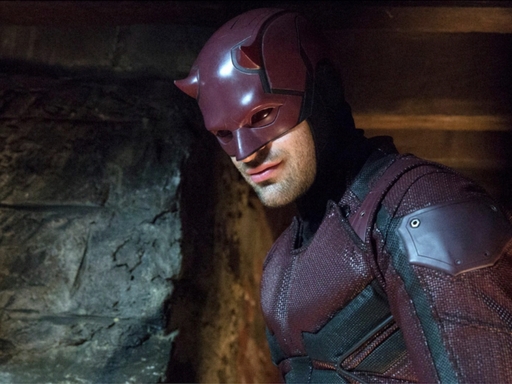
Spider-Man: Freshman Year Daredevil
Visual & Narrative Style: A Comic Book Come to Life
Visually, Spider-Man: Freshman Year is a triumph. The animation style is a stunning blend of classic comic book aesthetics and modern fluidity. Character designs evoke the iconic work of Steve Ditko and John Romita Sr., with sharp lines, expressive faces, and dynamic action poses. The color palette shifts beautifully—warm, golden hues for Peter’s life at Midtown High and with Aunt May; cold, neon blues and grays for the rain-slicked, dangerous New York nights as Spider-Man.
The action sequences are breathtaking. The animators capture the sheer speed, agility, and wit of Spider-Man’s movement. His web-slinging through the concrete canyons of NYC feels visceral and exhilarating, and his hand-to-hand combat is brutal, creative, and often laced with the character’s signature sarcastic quips. Unlike many animated series, the fights carry real weight; Peter gets hurt, he bleeds, and he often wins by the skin of his teeth, emphasizing his underdog status.
Narratively, the show is perfectly paced. It masterfully balances episodic crime-fighting with a serialized, overarching conspiracy centered on Oscorp and the looming threat of the Green Goblin. The writing is sharp, witty, and profoundly emotional. The dialogue feels natural for teenagers—awkward, funny, and occasionally profound—and the series isn’t afraid to lean into the pathos. Moments like Peter confessing his guilt over Uncle Ben’s death (off-screen but deeply felt) or breaking down from exhaustion are handled with incredible sensitivity, making this one of the most emotionally resonant Spider-Man adaptations ever made.
Themes: Responsibility, Isolation, & the Cost of Greatness
At its core, Freshman Year is a profound exploration of loneliness and responsibility. Peter Parker is a genius, but he’s also a social outcast. As Spider-Man, he’s adored by the city, but as Peter, he’s invisible. This duality creates a crushing isolation. He can’t tell anyone his secret—not his best friend Harry Osborn, not Gwen Stacy, not even Aunt May—for fear of putting them in danger. The series brilliantly illustrates the true cost of “great power”: the sacrifice of personal connection and happiness.
It’s also a story about imperfection. Peter makes colossal mistakes. He misjudges people, he fails to save lives, and his arrogance often gets the better of him. This fallibility is what makes him relatable. He’s not a perfect Avenger; he’s a kid learning on the job, and every failure hammers home the brutal lesson that his responsibility is unending.
Conclusion: The Definitive Modern Spider-Man Origin
Spider-Man: Freshman Year is more than just a great animated show—it’s a landmark achievement for the character. It strips away the cinematic spectacle and multiversal chaos to remind us why we fell in love with Peter Parker in the first place: he’s human. He’s flawed, he’s funny, he’s brilliant, and he’s trying his best against impossible odds.
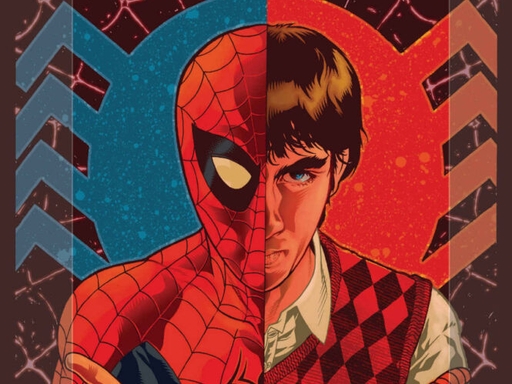
Spider-Man: Freshman Year Spider-Man
With a stellar voice cast, breathtaking animation, intelligent writing, and a deep reverence for the source material, it successfully carves out its own unique place in the Spider-Man canon. It appeals to die-hard comic fans hungry for a classic, character-driven story and to newcomers discovering the wall-crawler for the first time. For anyone who has ever felt like an outsider or struggled under the weight of expectation, Peter Parker’s freshman year will resonate deeply.
In a landscape where superhero stories often prioritize scale over soul, Spider-Man: Freshman Year is a powerful reminder that the best stories are the ones that make us feel like we’re right there with the hero—stumbling, falling, but always getting back up. This isn’t just a great Spider-Man story; it’s a great coming-of-age story. And for that, it stands as one of the finest adaptations the character has ever received.
Final Verdict: A must-watch for Spider-Man fans of all ages. Freshman Year swings into the upper echelons of superhero animation, delivering a heartfelt, hilarious, and hard-hitting portrait of Peter Parker’s earliest days. This is Spider-Man at his purest, most relatable, and most iconic.