The Mummy (2026) Review: A Gritty, Bone-Chilling Rebirth That Reclaims the Monster for Horror
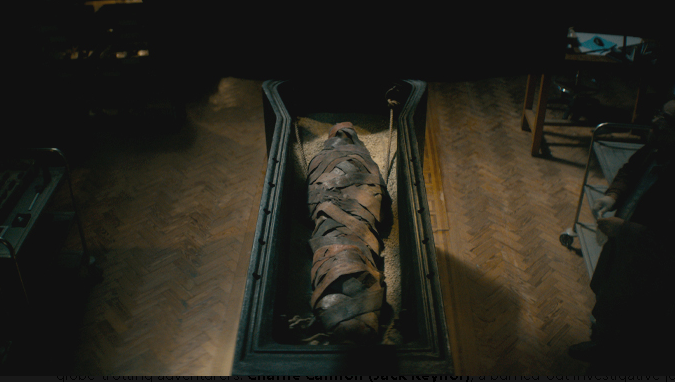
Forget the swashbuckling adventure of Brendan Fraser’s 1999 classic or the dark superhero tones of 2017’s misfire. Lee Cronin’s The Mummy (2026) is a full-throated return to the franchise’s horror roots—an unflinching, deeply unsettling reimagining that trades sandstorms and one-liners for psychological dread, body horror, and the raw terror of a family torn apart by an ancient, unholy curse. Produced by horror powerhouses James Wan (Atomic Monster) and Jason Blum (Blumhouse Productions), and directed by Lee Cronin (fresh off Evil Dead Rise), this isn’t just a reboot; it’s a reinvention. It’s the scariest, most viscerally intense Mummy film ever made—a grim, gripping tale of grief, possession, and the unspeakable things that crawl back from the desert to destroy us.
A Family, a Disappearance, and an Unholy Return
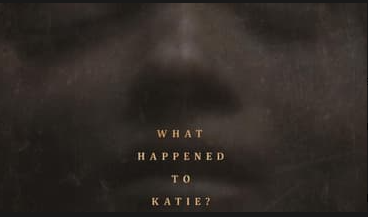
Cronin’s film strips the mythos down to its darkest core, centering on a modern American family rather than globe-trotting adventurers. Charlie Cannon (Jack Reynor), a burned-out investigative journalist still reeling from personal loss, takes his wife Larissa (Laia Costa) and their three young children to a remote archaeological outpost in the Egyptian desert, hoping to mend their fractured bonds. Their trip turns to tragedy when their 10-year-old daughter, Katie (Natalie Grace), vanishes without a trace during a sandstorm, leaving only a single, ancient Egyptian amulet in her wake.
Eight years later, the Cannons are shells of their former selves. Charlie is a drunk, consumed by guilt and obsession; Larissa is emotionally withdrawn, clinging to false hope; their two younger children, now teenagers, are angry and adrift. Then, the impossible happens: Katie is found, wandering alone in the desert, physically unharmed—and exactly as she was the day she disappeared.
What follows is not the heartwarming reunion the family craves. Katie is wrong. Her eyes are hollow, her skin is papery and stretched tight over bone, her voice is a guttural, otherworldly whisper. She doesn’t remember her family. She doesn’t remember anything. But she brings something back with her: a centuries-old curse, a parasitic ancient entity that has fused its essence with hers, turning her into a living, breathing mummy—a vessel for unspeakable evil. As the body count rises and the family’s home becomes a prison of supernatural terror, Charlie and Larissa must confront the horrifying truth: their daughter is gone, and in her place walks a monster.
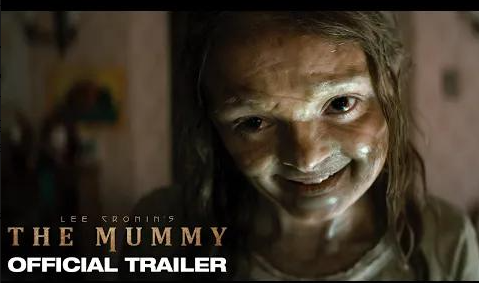
Natalie Grace: A Star-Making Turn of Unsettling Intensity
The film’s beating, black heart is Natalie Grace’s breakthrough performance as Katie. In a role that would break lesser actors, Grace delivers a masterclass in physical and psychological horror. She doesn’t just play a possessed girl; she becomes a grotesque, tragic fusion of child and fiend. Her physicality is staggering: her movements are stiff, jerky, and inhuman, like a corpse learning to walk; her posture is hunched, her limbs twisted at unnatural angles; her face shifts from eerie calm to explosive, violent rage in a heartbeat.
Grace’s performance is made even more terrifying by the film’s commitment to practical effects. Unlike the CGI-heavy mummies of recent years, Katie’s transformation is achieved through layers of prosthetics, makeup, and animatronics—crafted by the team behind The Thing and Evil Dead Rise. Her skin is desiccated and cracked, oozing a black, tar-like substance; her fingernails are long, sharp, and blackened; her mouth is filled with rotting, needle-like teeth. It’s a design that feels simultaneously ancient and alarmingly modern—a corpse that’s been dragged, screaming, into the 21st century.
Critics have already hailed Grace as the film’s revelation, and for good reason. She imbues Katie with a profound sense of tragedy; even at her most monstrous, you catch fleeting glimpses of the terrified little girl trapped beneath the curse. It’s a performance that’s equal parts horrifying and heart-wrenching, making her one of the most memorable horror villains in recent memory.
Lee Cronin: Master of Intimate, Relentless Terror
Lee Cronin has established himself as the modern master of small-scale, hyper-intimate horror, and The Mummy is his most accomplished work yet. Where previous Mummy films leaned into epic spectacle, Cronin narrows his focus, trapping the audience inside the Cannon family’s crumbling home—a claustrophobic, shadow-draped prison where every creak, every whisper, every flicker of light hides a new nightmare. He understands that true horror isn’t about massive set pieces; it’s about the slow, suffocating dread of realizing the person you love most is no longer human.
Cronin’s direction is brutal and unrelenting. He doesn’t rely on cheap jump scares (though there are plenty of well-earned ones); he builds tension like a noose tightening around your throat. Scenes of Katie standing motionless in a dark doorway, staring blankly at her family, are infinitely more terrifying than any CGI sandstorm. The film’s violence is visceral and gnarly—think Evil Dead Rise levels of body horror, but with a more somber, tragic edge. A now-infamous “scorpion scene,” where a deadly arachnid burrows into a character’s body, has already become the stuff of cinematic legend, prompting walkouts in early test screenings.
This is horror that feels personal. By grounding the story in family dynamics and parental grief—the universal fear of losing a child—Cronin makes the supernatural feel terrifyingly real. The film isn’t just about a mummy; it’s about the horror of unresolved loss, the madness of guilt, and the lengths parents will go to protect their children, even when those children are no longer there.
A Cast Anchored in Grief and Desperation
While Grace is the revelation, the adult cast delivers equally powerful, grounded performances that anchor the film’s supernatural chaos. Jack Reynor is phenomenal as Charlie, a man unraveling at the seams. He portrays Charlie’s guilt, rage, and desperate hope with raw, unflinching honesty; you can feel his pain in every shaky breath and every drunken outburst. Laia Costa matches him beat for beat as Larissa, a mother torn between denial and the horrifying truth. Her slow, silent breakdown is one of the film’s most quietly devastating elements.
The supporting cast, including May Calamawy as a skeptical local archaeologist and Verónica Falcón as a mysterious, curse-wielding magician, add depth and texture to the story, providing crucial context for the ancient evil plaguing the family. Their performances help bridge the gap between the modern family drama and the ancient Egyptian mythology, making the curse feel tangible and historically rooted.
Visual Style: Gritty, Gloomy, and Unapologetically Ugly
Visually, The Mummy (2026) is a stark contrast to its predecessors. Cinematographer Dave Garbett shoots the film in a palette of sickly yellows, murky browns, and inky blacks, draining the desert of its beauty and the family home of its warmth. The camera work is intimate and invasive, often lingering in tight close-ups or shooting through cracked doorways, making the audience feel like voyeurs to the family’s suffering.
The film’s practical effects are a triumph. From Katie’s grotesque transformation to the film’s gory, bone-crunching kill scenes, every effect feels tactile and real. The mummy design itself is a masterpiece—far removed from the regal, bandaged villains of old. Katie is a decayed, broken, deeply human monster; her pain and suffering are written into every crack and crevice of her desiccated skin. This isn’t a creature to be feared from afar; it’s a wound, a ghost, a mistake that should have stayed buried.
The Verdict: A Horror Masterpiece That Redeems a Franchise
The Mummy (2026) is not just a great horror film; it’s a vital, necessary reclamation of one of cinema’s most iconic monsters. Lee Cronin has done the impossible: he’s taken a franchise that had drifted far from its roots and returned it to the darkness, crafting a film that’s as thematically rich as it is terrifying. It’s a film about grief that horrifies, a family drama that disgusts, and a monster movie that breaks your heart.
It’s not for the faint of heart. This is a mean, grueling, deeply unsettling piece of cinema—one that will linger in your mind long after the credits roll, making you check the shadows in your own home. But for horror fans, it’s an instant classic: a perfect blend of psychological terror, body horror, and emotional stakes.
In an era of safe, sanitized blockbusters, The Mummy is a bold, brutal statement. It proves that the best monster movies aren’t about spectacle—they’re about the monsters that live inside us, and the ones that come back from the dead to remind us that some secrets, and some graves, should never be disturbed. For the first time in decades, the mummy isn’t a joke or an action prop. She’s a nightmare. And she’s here to stay.
Rating: 9/10 — A bone-chilling, emotionally devastating masterpiece that redefines a legend.