Review: Dune: Messiah (2026) – A Haunting, Tragic Masterpiece & The Perfect Trilogy Capper

Denis Villeneuve completes his landmark sci-fi trilogy with Dune: Messiah (released under the official title Dune: Part Three), a searing, visually staggering, and profoundly tragic conclusion that redefines modern blockbuster storytelling. Where the first two films chronicled Paul Atreides’ (Timothée Chalamet) mythic rise from exiled prince to prophesied messiah, this final chapter masterfully deconstructs that very legend, laying bare the catastrophic human cost of holy war, blind faith, and absolute power. More intimate and intellectually rigorous than its predecessors, Dune: Messiah is not just a great sci-fi epic—it is a timeless cautionary tale, executed with the kind of bold, uncompromising vision rarely seen in big-budget cinema.

A Fallen Messiah: Paul Atreides’ Tyranny & Torment
Dune: Messiah leaps forward 12 years from the fiery climax of Part Two. Paul, now known as Muad’Dib, rules the known universe as Emperor from Arrakis, his Fremen warriors having waged a bloody, 12-year jihad that has claimed the lives of over 61 billion people across the stars. This is not the hopeful, determined boy we once knew. Chalamet delivers a career-defining performance, portraying Paul as a man utterly consumed by prescience, guilt, and existential entrapment. His eyes, once bright with purpose, are now hollow; his movements stiff, his voice a low, weary murmur. He is a messiah who has become a prisoner of his own prophecy—able to see every possible future, yet powerless to escape the terrible path he has set in motion.
The film’s emotional core lies in Paul’s agonizing duality: he is adored as a god by the Fremen, yet he privately loathes the monster his holy war has made him. He sits on a throne of sand and blood, surrounded by sycophants and conspirators, and the weight of billions of deaths is etched into every line of Chalamet’s face. This is a masterclass in understated acting; Paul’s torment is not screamed, but felt in his devastating silences and the quiet horror with which he views the empire he built. Villeneuve and Chalamet do not ask for sympathy—they demand we understand the tragedy of a man who became the very thing he swore to destroy.
Chani & The Political Mosaic: Heart of the Rebellion
Zendaya’s Chani evolves from a passionate Fremen fighter to the story’s fierce moral conscience. Having witnessed the jihad’s atrocities, she rejects Paul’s godhood and abandons him, becoming a symbol of resistance against his tyrannical reign. Their love, once the beating heart of the saga, is now a battlefield of grief, anger, and betrayal. Zendaya’s performance is volcanic; her scenes with Chalamet crackle with a raw, painful history, and her quiet defiance provides the film’s most powerful moments of humanity. She is not just a lover scorned—she is the voice of every soul disillusioned by a false savior.
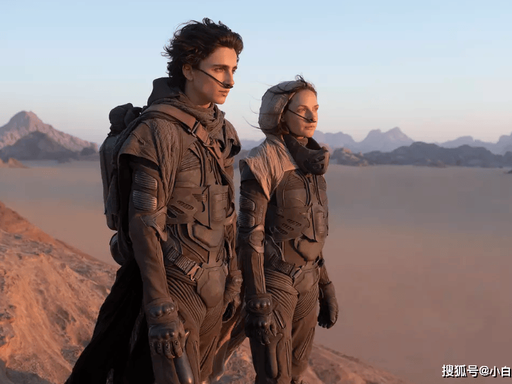
The film’s narrative expands into a rich tapestry of political intrigue as a conspiracy forms to dethrone Paul. The ensemble cast shines in this web of lies and manipulation:
- Florence Pugh as Princess Irulan, Paul’s politically arranged wife, who secretly writes histories to shape his legacy while aiding the conspiracy.
- Robert Pattinson as Scytale, a chillingly charismatic Tleilaxu Face Dancer mastermind, whose shapeshifting abilities and cold logic make him the trilogy’s most compelling villain.
- Anya Taylor-Joy as Alia Atreides, Paul’s terrifyingly prescient sister, born with full Bene Gesserit memories and a dangerous hunger for power.
- Javier Bardem as Stilgar, the Fremen leader, torn between his unshakable devotion to Muad’Dib and his growing horror at the bloodshed.
This dense, dialogue-driven political thriller is a stark contrast to the sandworm-riding action of the previous films, yet it’s equally gripping. Every conversation in the palaces of Arrakeen is a duel of wits, every alliance a fragile deception.
Visual & Auditory Splendor: A Desert Empire in Decay
Visually, Dune: Messiah is a triumph of world-building and cinematography. Villeneuve and cinematographer Linus Sandgren paint a portrait of a decaying empire. The harsh, sun-baked deserts of Arrakis are now contrasted with the cold, sterile grandeur of Paul’s imperial palace and the shadowy, water-drenched halls of the Bene Gesserit convents. The color palette shifts from the warm oranges of the desert to oppressive, moody blues and grays, visually mirroring the story’s descent into darkness and despair.
The film’s technical achievements reach their peak in two breathtaking sequences. The first is the assassination attempt using a Stone Burner, a weapon of mass destruction that blinds Paul. Villeneuve daringly shoots the entire aftermath from Paul’s perspective, plunging the screen into blackness and letting the sound design and performances convey his terror and disorientation. The second is the final, fateful walk into the desert—a wordless, visually poetic scene that brings Paul’s journey full circle with devastating beauty.
Hans Zimmer returns with another iconic score, blending the iconic, throat-singing motifs of the previous films with haunting, melancholic melodies and dissonant, industrial pulses that reflect the empire’s decay. The sound design remains immersive and visceral; the roar of the sandworms, the crackle of energy weapons, and the oppressive silence of the desert all combine to create an unparalleled cinematic experience.
Themes: The Danger of Heroes & The Illusion of Free Will
Dune: Messiah is a fiercely intelligent deconstruction of hero worship and the dangers of charismatic leadership. Frank Herbert wrote the original novel as a direct rebuke to readers who idolized Paul as a heroic figure, and Villeneuve amplifies this warning for a modern audience. The film argues that the idea of a “savior” is inherently destructive—that faith in a single, infallible leader erodes free will and justifies unspeakable atrocities.
It is also a profound meditation on fate vs. free will. Paul’s prescience, his greatest gift, becomes his curse. He sees every choice, every consequence, and the knowledge that his path is predetermined strips him of his humanity. He is not a hero making choices—he is a character trapped in a story written by prophecy, religion, and power. In an era of big-budget films that often celebrate simplistic notions of destiny, Dune: Messiah stands as a powerful, bleak, and necessary counterpoint.
Conclusion: A Trilogy for the Ages
With Dune: Messiah, Denis Villeneuve has accomplished the extraordinary: he has not only adapted one of literature’s most complex and “unfilmable” works—he has created a three-part cinematic masterpiece that stands alongside The Lord of the Rings as one of the greatest trilogies ever made. It is a film of immense scale and even greater intimacy, a sweeping epic that is also a deeply personal tragedy.
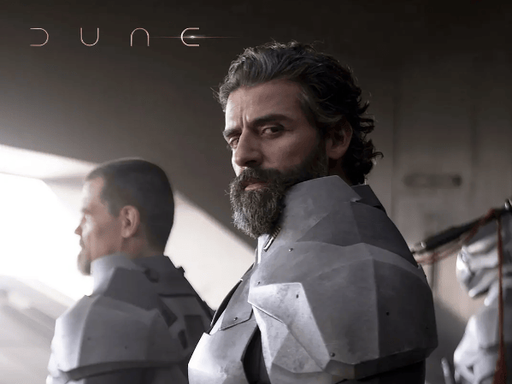
Timothée Chalamet and Zendaya deliver career-best performances, anchoring the film’s grand themes with raw, human emotion. The craft—from the cinematography and production design to Zimmer’s score—is flawless. Most importantly, it honors Frank Herbert’s vision with unwavering integrity, refusing to soften the novel’s bleak message for mass appeal.
Dune: Messiah is not just the conclusion to a trilogy; it is the definitive statement on power, prophecy, and the cost of heroism. It is a film that will haunt viewers long after the credits roll, challenging us to question the myths we follow and the leaders we choose. For its ambition, its artistry, and its unflinching emotional power, Dune: Messiah is not only the best film of the year—it is a timeless classic.
Final Verdict: A monumental, devastating, and perfect conclusion to one of the greatest sci-fi sagas in film history. Dune: Messiah is essential, unmissable cinema.