Review: The Mandalorian and Grogu (2026) – A Cinematic Love Letter to Star Wars’ Most Unlikely Family
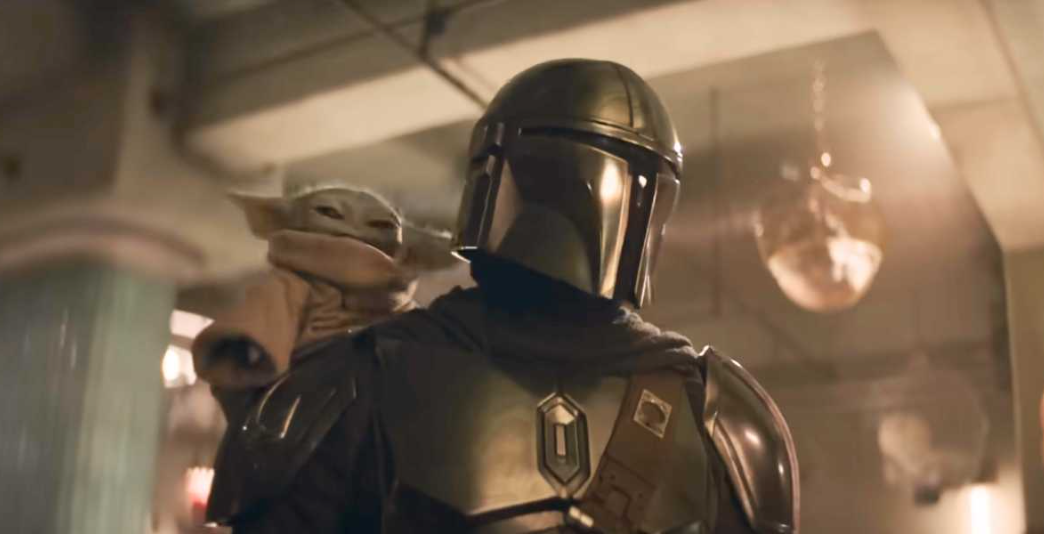
Six years after Star Wars: The Rise of Skywalker concluded the Skywalker Saga, Lucasfilm makes a triumphant return to the big screen with The Mandalorian and Grogu, the first theatrical film centered on characters born from the Disney+ streaming era. What began as a gritty, space-western series in 2019 has evolved into a full-fledged cinematic event, masterfully transitioning from episodic television to a sweeping, IMAX-sized adventure that honors its small-screen roots while delivering the grand spectacle only a movie can offer. Directed by series creator Jon Favreau and co-written with Dave Filoni, this film is not just a continuation—it’s a celebration, a culmination, and a thrilling new beginning for the beloved “Clan of Two.”
A Story of Found Family, Forged on the Big Screen
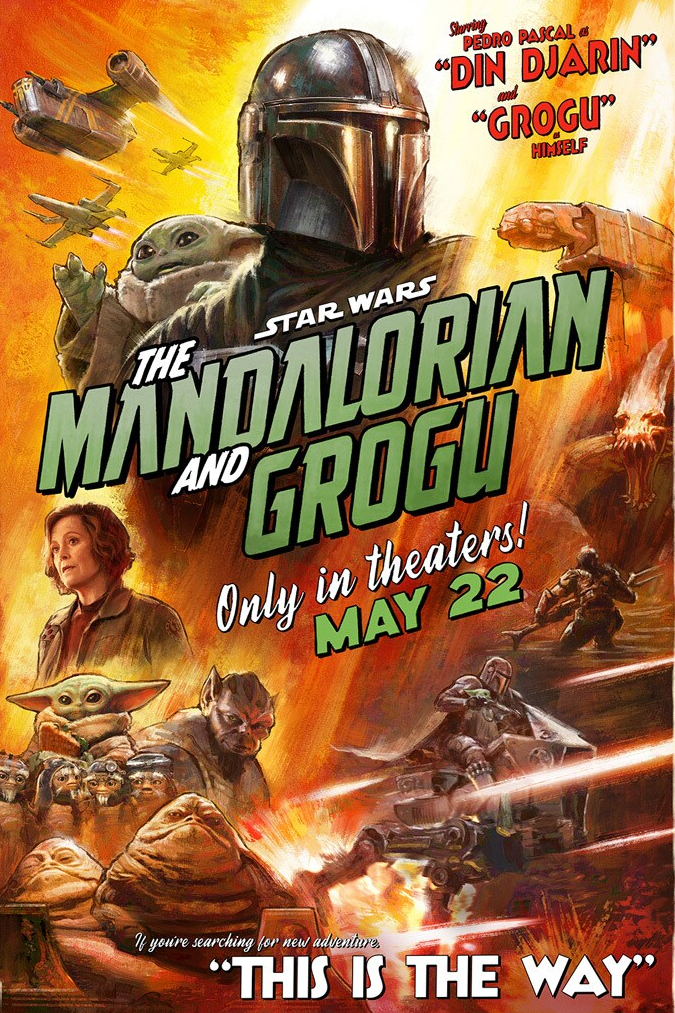
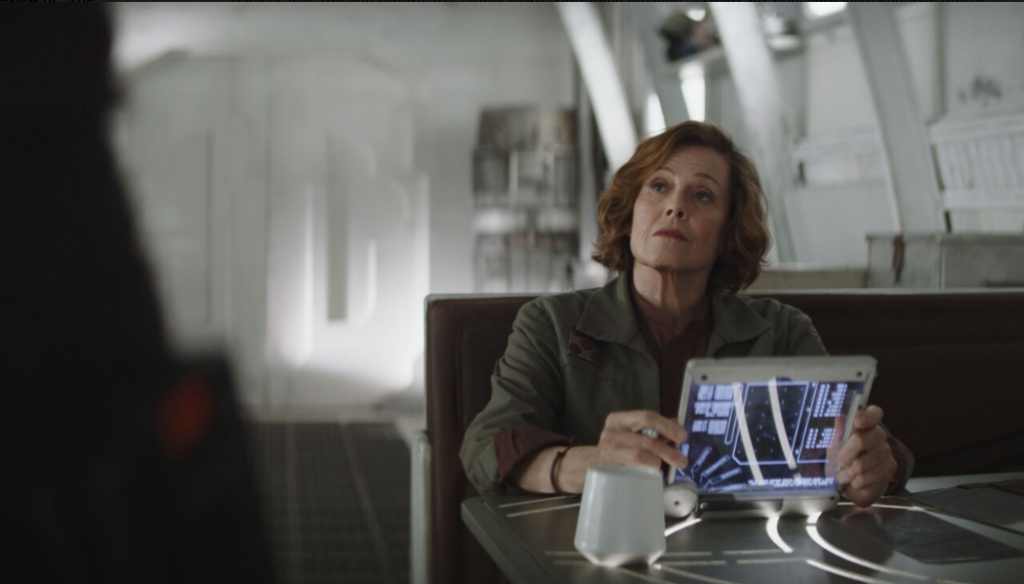
Set approximately five years after the events of Return of the Jedi, the film picks up in the precarious early days of the New Republic. The Galactic Empire has fallen, but its remnants—scattered, ruthless Imperial warlords—continue to terrorize the galaxy, threatening the fragile peace the Rebellion fought so hard to achieveStar Wars. It’s in this chaotic landscape that Din Djarin (Pedro Pascal), the stoic Mandalorian bounty hunter, and his adopted, Force-sensitive son Grogu (affectionately known as “Baby Yoda”) find themselves enlisted by the New Republic for a critical missionDisney Movies. Tasked with hunting down these warlords and preventing a full-scale galactic war, the duo reports to Colonel Ward (Sigourney Weaver), a sharp, no-nonsense New Republic officer who becomes both their ally and their guide.
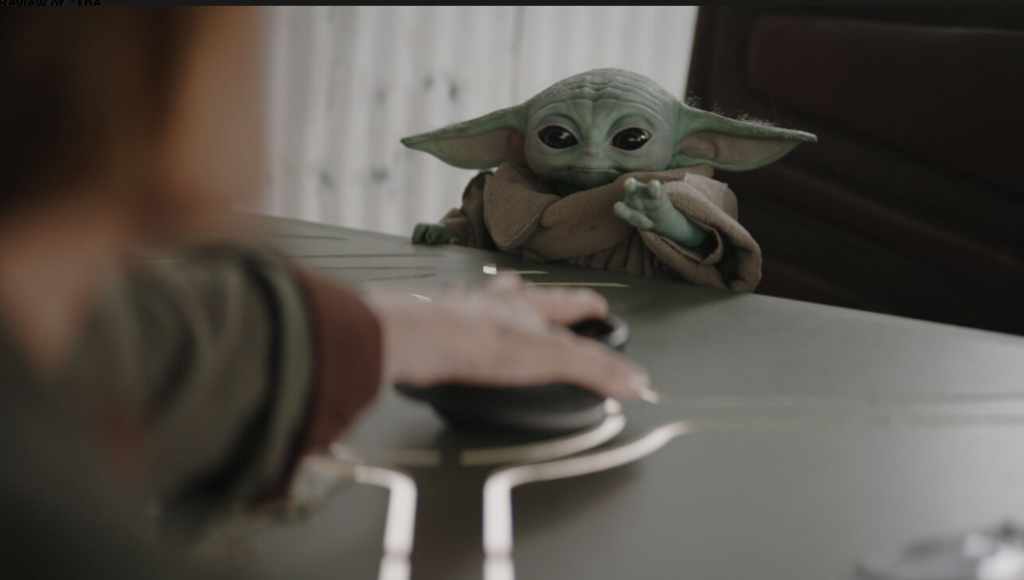
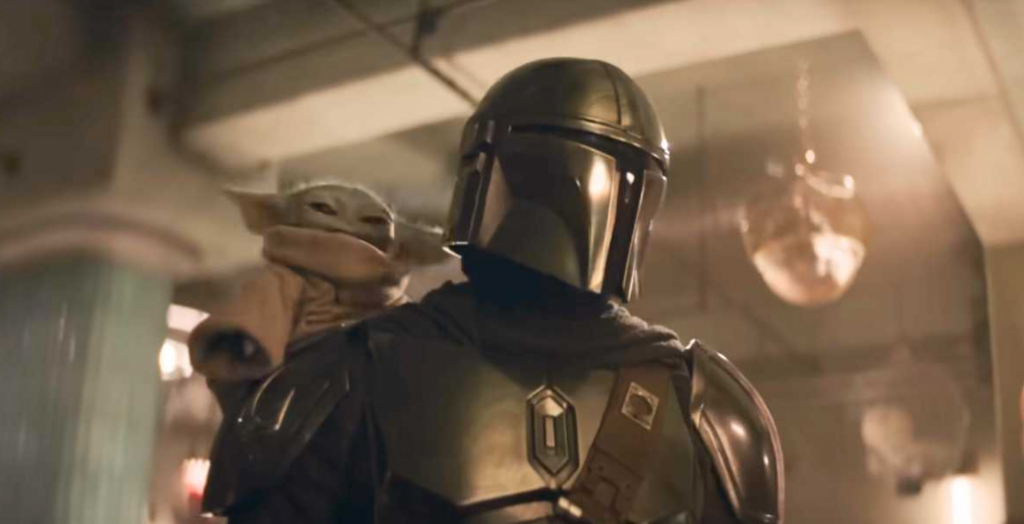
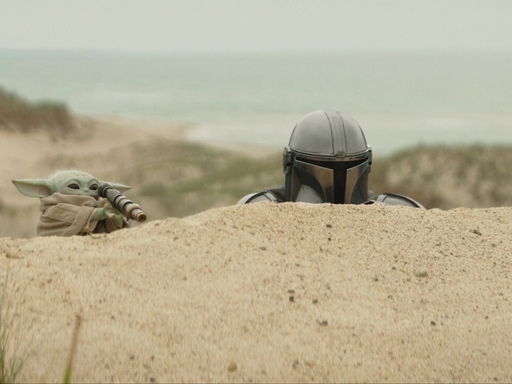
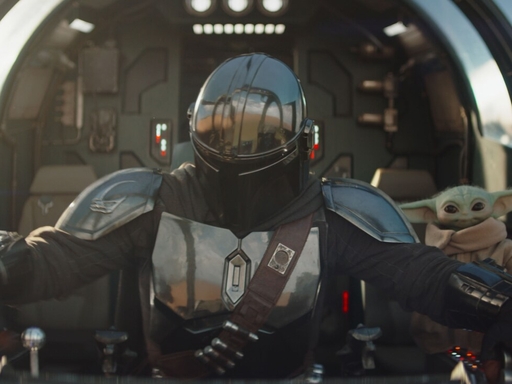
The core of the film remains the deeply emotional bond between Din and Grogu—a relationship that has grown from a reluctant protectorate to an unbreakable father-son connection. Unlike the series, where Din’s face was rarely seen, the film grants us intimate, unmasked moments with Pedro Pascal, allowing the actor to convey a wealth of vulnerability, love, and quiet resolve beneath the beskar. These scenes are the film’s beating heart; we watch Din grapple not just with intergalactic threats, but with the universal fears of parenthood: protecting his child, teaching him right from wrong, and fearing the day he might not be enough.Grogu, too, undergoes significant growth. No longer just a cute, cooing infant, he is now Din’s official apprentice, his Force abilities evolving dramatically. He’s no longer just along for the ride—he’s an active participant in the adventure, piloting his own rocket-powered hover pram in high-speed chases and using his powers to turn the tide of battles. Yet, he remains undeniably Grogu: his mischievous streak, his insatiable appetite (a scene where he’s scolded for stealing macarons is pure, adorable chaos), and those big, expressive eyes that can melt even the coldest heart. The balance between his growing power and his enduring innocence is perfectly struck, making him both a formidable hero and the film’s most endearing source of warmth.
A Stellar Cast: Old Friends and New Foes
Pedro Pascal delivers a career-defining performance as Din Djarin. Despite spending much of the film in his iconic armor, Pascal’s voice work and physicality (aided by body performers Brendan Wayne and Lateef Crowder) imbue the character with a quiet gravitas and dry wit that has made him a modern icon. When the helmet comes off, his face becomes a canvas for the character’s inner turmoil and love, adding layers of depth previously only hinted at in the series.
Sigourney Weaver, a legend of science fiction, makes a magnificent addition to the Star Wars universe as Colonel Ward. She brings a commanding presence and world-weary authority to the role, serving as a perfect foil to Din’s lone-wolf instincts. Their dynamic—built on mutual respect, occasional friction, and a shared goal—is one of the film’s highlights, adding a mature, strategic layer to the narrative.
Rounding out the main cast is Jeremy Allen White, who voices Rotta the Hutt, Jabba’s son and a new, slimy villain allied with the Imperial warlords. White, known for his intense, grounded performances, brings a surprising mix of petulance and menace to the character, creating a Hutt who feels both familiar and fresh. In a delightful cameo, legendary director Martin Scorsese lends his voice to an Ardennian fry cook, a fun Easter egg that connects two cinematic worlds.
Visual Splendor: A Galaxy Brought to Life Like Never Before
If there was any doubt that The Mandalorian could translate to the big screen, the film’s visuals lay them to rest. Industrial Light & Magic (ILM), under the supervision of John Knoll and Jeff Capogreco, has outdone itself, creating a visual spectacle that is both breathtakingly immersive and deeply rooted in the classic Star Wars aestheticIndustrial Light & Magic. The film seamlessly blends cutting-edge virtual production technology with intricate practical effects, puppetry, and animatronics—a philosophy Jon Favreau has championed to “ground things, to make you feel like you’re in a real place with real characters”.
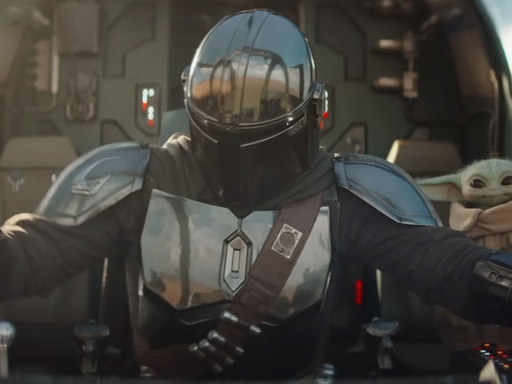
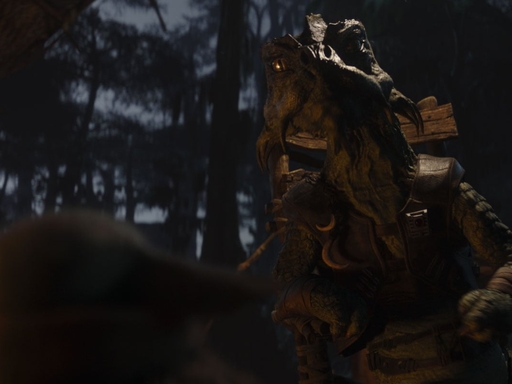
Every frame is a feast for the eyes. From the windswept, desolate dunes of desert planets to the frost-covered landscapes of an ice-world battle (complete with iconic AT-AT walkers), the film’s locations are vast, detailed, and stunningly realized. Space battles are chaotic, visceral, and awe-inspiring, with dogfights that fill the entire IMAX screen. The creature design is a particular triumph: the film is teeming with a dazzling array of aliens, from familiar faces like Zeb Orrelios to new, imaginative beings crafted through a mix of puppetry and CGI. It’s a love letter to the practical effects magic that made the original trilogy so unforgettable, updated for a modern audience.
Complementing the visuals is Ludwig Göransson’s iconic score, which returns in full force. His theme for The Mandalorian—with its haunting, rhythmic twang—remains as instantly recognizable and stirring as ever, evoking the spirit of classic Westerns while feeling uniquely Star WarsStar Wars. New motifs elevate the film’s emotional beats, swelling during moments of sacrifice, wonder, and familial love, ensuring that the music is not just background, but an integral part of the storytelling.
The Perfect Blend: Intimacy and Epic Scale
The greatest achievement of The Mandalorian and Grogu is how it balances the intimate, character-driven charm of the series with the epic scope demanded by a theatrical release. Jon Favreau and Dave Filoni understand that fans fell in love with Din and Grogu not for galaxy-spanning prophecies, but for their quiet, human moments—sharing a meal, fixing a ship, protecting each other against all odds. The film retains these precious, tender scenes, ensuring that the emotional core is never lost amidst the explosions and space battles.
At the same time, the story expands exponentially. The stakes are higher, the threats larger, and the journey more perilous than anything seen in the show. The narrative moves at a brisk, perfectly paced clip, never feeling rushed or dragged out, with tight action sequences interwoven with meaningful character development. It’s accessible to newcomers—who can easily follow the story of a father and son on a dangerous mission—while packed with deep cuts, Easter eggs, and continuity nods that will thrill long-time Star Wars fans.
Conclusion: This Is the Way—On the Biggest Screen Imaginable
The Mandalorian and Grogu is more than just a great Star Wars movie; it’s a landmark moment for the franchise. It proves that characters born on streaming can not only translate to the silver screen but can also carry the legacy of a galaxy far, far away with grace, heart, and spectacle. It’s a film about hope, loyalty, and the unbreakable bonds of found family—themes that have always been at the center of Star Wars, but here feel more personal and more resonant than ever.
Pedro Pascal and Grogu are the heart and soul of this adventure, and their chemistry remains as magical as it was in 2019. With stunning visuals, a perfect blend of action and emotion, a stellar cast, and a story that honors the past while boldly moving forward, The Mandalorian and Grogu stands as one of the finest entries in the entire Star Wars canon.
For fans who have waited years to see Din and Grogu on the big screen, the wait was more than worth it. For newcomers, it’s the perfect introduction to two of the most beloved characters in modern science fiction. The Mandalorian and Grogu is a triumph—a cinematic celebration that reminds us why we fell in love with Star Wars in the first place. This is the way.
Final Verdict: A must-see event for Star Wars fans and casual moviegoers alike. The Mandalorian and Grogu delivers everything you could want from a blockbuster—heart, humor, action, and pure, unadulterated wonder.