Review: The Bride! (2026) – A Bold, Flawed, & Unforgettable Reimagining of a Gothic Icon
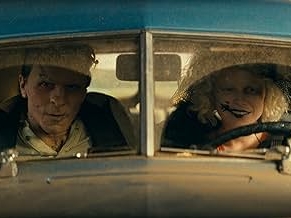
Nearly ninety years after James Whale’s Bride of Frankenstein (1935) redefined the horror genre, writer-director Maggie Gyllenhaal resurrects the iconic tale with The Bride! (2026)—a bold, visually opulent, and thematically ambitious reimagining that trades Universal’s classic gothic castles for the gritty, rain-slicked streets of 1930s Chicago. Far from a conventional remake, Gyllenhaal’s film is a radical, feminist-infused love story that interrogates identity, autonomy, and the monstrous nature of societal prejudice. While it stumbles under the weight of its own narrative ambition, The Bride! remains a vital, electrifying work—one that honors its source material while fearlessly carving out its own bloody, beautiful identity.
A Lonely Monster & A Life Reborn: The Heart of the Story
Set against the grim backdrop of the Great Depression, The Bride! centers on a reclusive, melancholy creature known simply as Frank (Christian Bale), a far cry from the lumbering, grunting monster of old. Decades after his creation, he wanders the earth, crushed by isolation and the universal longing for connection. Desperate for a companion who might understand his pain, he tracks down the brilliant, unorthodox Dr. Cornelia Euphronius (Annette Bening), a renegade scientist operating from a shadowy Chicago laboratory.
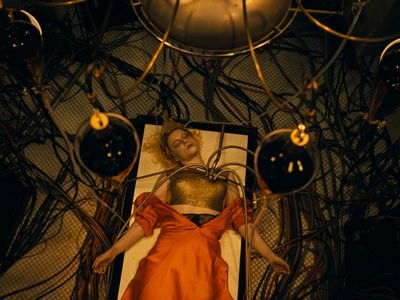
Their unholy mission: to breathe life into the corpse of Ida (Jessie Buckley), a young woman brutally murdered in the city’s criminal underworld. What follows is not the creation of a docile “mate,” but the explosive birth of a new being. The Bride (also Buckley) awakens not as Frank’s equal, but as a raw, untamed force of nature—amnesiac, volatile, and fiercely resistant to being defined by anyone, least of all the lonely monster who “ordered” her into existence. What begins as a quest for companionship spirals into a chaotic, Bonnie-and-Clyde-style romance as the pair go on the run, pursued by a relentless detective (Peter Sarsgaard) and a society horrified by their very existence.
Gyllenhaal’s greatest triumph is reframing the story entirely around the Bride herself. In Whale’s film, the Bride was little more than a tragic, hissing plot device; here, she is the protagonist, a woman (or something like a woman) grappling with the horror of being reborn into a world that sees her as property. Buckley, in a staggering dual (nearly triple) role that includes a cameo as Mary Shelley, embodies this confusion and rage with ferocious intensity. The Bride is not “likable”—she is violent, impulsive, and often cruel—but her anger is righteous. She is a being denied a past, a choice, and a voice, and Buckley makes every flicker of vulnerability and every burst of defiance utterly mesmerizing.
Performances: Soul, Sadness, & Unbridled Fury
Christian Bale delivers one of the most sensitive performances of his career as Frank. Buried under layers of prosthetics that evoke a scarred, gentle giant, Bale eschews spectacle for profound melancholy. His voice is a low, rumbling murmur, his movements slow and deliberate, as if he carries the weight of the world on his shoulders. This Frank is not a villain—he is a victim of his own creation and a world that fears what it cannot understand. His longing for the Bride is not possessive, but achingly tender, making their doomed romance all the more tragic.
Annette Bening is equally compelling as Dr. Euphronius. A sharp, subversive figure in a male-dominated scientific world, Bening brings a dry wit and moral complexity to the role. She is neither hero nor mad scientist, but a pragmatist driven by curiosity and a quiet rebellion against the establishment. Her scenes with Bale and Buckley crackle with intellectual tension, serving as the film’s philosophical anchor.
The supporting cast is stellar, with Penélope Cruz shining as a glamorous socialite swept up in the chaos, and Jake Gyllenhaal clearly relishing his role as a sleazy, menacing gangster. However, the film belongs to Buckley and Bale. Their on-screen chemistry is combustible—a volatile mix of tenderness, frustration, fear, and passion. Their most intimate scenes, free of dialogue, convey more about loneliness and connection than any monologue ever could.
Visual & Stylistic Brilliance: Gothic Noir for a Modern Age
Visually, The Bride! is a masterpiece. Gyllenhaal and cinematographer Tatiana Radischevski craft a world that is equal parts classic Universal horror and gritty gangster noir. The color palette is dominated by deep, inky blacks, sickly greens, and flashes of burning orange—creating a world that feels both nightmarish and glamorous. The lab sequences are a love letter to Whale’s original, filled with sparking machinery and surreal, operatic lighting. In stark contrast, the Chicago street scenes are drenched in rain and shadow, evoking the despair of the Depression.
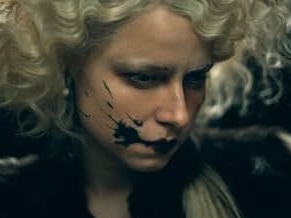
The production design is impeccable. From the cluttered, steampunk laboratories to the smoky jazz clubs and Art Deco penthouses, every frame feels meticulously crafted. The Bride’s iconic look—her wild, electrified white hair and the distinctive black scar running down her cheek—is updated with a modern, punk-rock edge that makes her instantly iconic.
This visual brilliance is matched by a haunting, atmospheric score by Bryce Dessner and Aaron Dessner. The music swells with gothic grandeur during the creation sequence, then shifts to a melancholic, jazz-infused waltz as the pair flee Chicago, perfectly capturing the film’s dual identity as both horror and tragic romance.
Themes & Narrative Ambition: When Vision Outpaces Control
Where The Bride! truly distinguishes itself is in its thematic depth. Gyllenhaal uses the monster metaphor to explore issues of female autonomy, otherness, and societal repression. The Bride is the ultimate outsider: a woman created by men, for men, in a world that fears her power. Her journey—from a passive corpse to an active, raging symbol of rebellion—is a powerful allegory for breaking free from patriarchal constraints. At one point, her defiant cry of “What about me too?” echoes through the screen, a raw, unsubtle but undeniably powerful rallying cry.
However, this ambition is also the film’s Achilles’ heel. In its third act, The Bride! attempts to escalate its personal story into a city-wide social movement, as the Bride’s image inspires disenfranchised women to riot. This tonal shift from intimate gothic romance to broad social commentary feels rushed and underdeveloped. The narrative becomes overstuffed with subplots involving gangsters, corrupt cops, and tabloid sensationalism, which dilute the emotional core of Frank and the Bride’s relationship. The pacing falters, and some character motivations, particularly the Bride’s rapid evolution into a revolutionary leader, lack the necessary grounding to feel fully earned.
Conclusion: A Monsterpiece Worth Celebrating
Despite its narrative missteps, The Bride! is an unqualified success. It is the kind of bold, personal, and uncompromising filmmaking that is all too rare in the modern blockbuster era. Maggie Gyllenhaal has taken a sacred text of horror cinema and transformed it into something deeply personal—a story about what it means to be human, to love, and to fight for the right to define oneself.
Jessie Buckley and Christian Bale deliver career-best performances, bringing profound soul to two of fiction’s most famous “monsters.” The film is a feast for the eyes, a technical marvel that honors the classics while feeling fiercely modern. While it may not surpass Whale’s original perfection, it stands proudly beside it as a worthy, radical companion piece.
In the end, The Bride! succeeds because it understands the core truth of the Frankenstein myth: the true monsters are not the creatures stitched together from corpses, but the intolerant, fearful societies that drive them into the shadows. For its breathtaking craft, unforgettable performances, and unflinching heart, The Bride! is essential viewing—not just for horror fans, but for anyone who has ever felt like an outsider looking in.
Final Verdict: A bold, beautiful, and brilliantly acted reimagining. The Bride! stumbles in its reach for greatness, but its courage, vision, and emotional power make it one of the most memorable films of the year.
Would you like me to adapt this review into a shorter 800-word version or create a companion piece comparing it to the 1935 original film?