Review: Sinners (2025) – A Spellbinding Fusion of Southern Gothic Horror, Blues Music, and Black American History
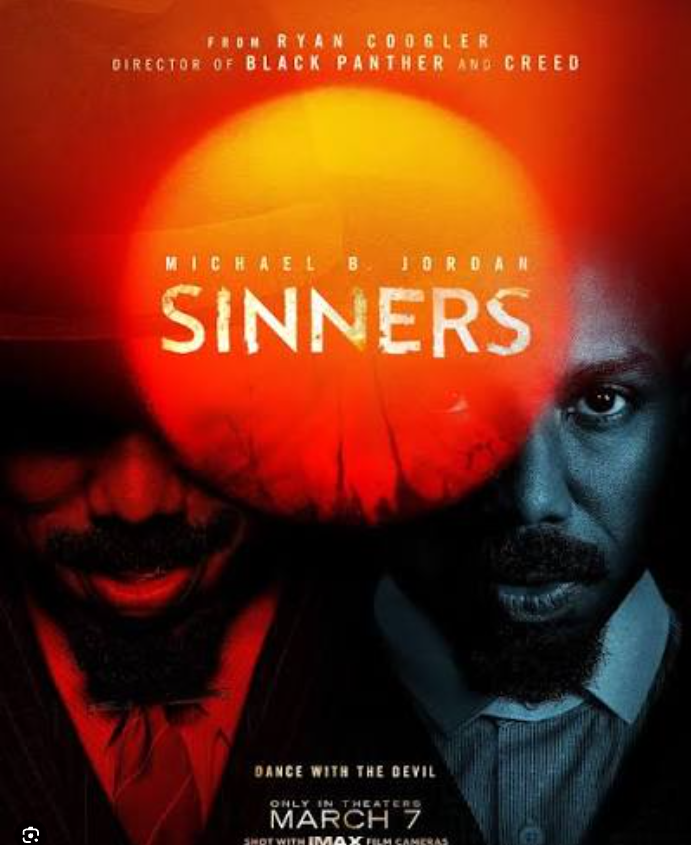
Ryan Coogler’s Sinners is easily one of the most original and electrifying films of 2025. On the surface, it is a lush, terrifying Southern Gothic vampire horror tale filled with shadowy creatures, tense showdowns, and blood-soaked suspense. Beneath its genre thrills, however, lies a deeply layered historical drama, a musical celebration of Black culture, and a sharp allegory about colonial exploitation, cultural erasure, and survival in the American South. Blending horror, western, period drama, and blues-driven musical storytelling, Coogler has crafted a genre-defying epic that feels both timeless and urgently relevant. It is rare to see a mainstream horror film that entertains relentlessly while carrying such weighty thematic depth, and Sinners pulls off that balance with breathtaking confidence.
Set in 1932 rural Mississippi, the film centers on twin brothers Smoke and Stack, both masterfully portrayed by Michael B. Jordan in a career-dual performance that showcases his incredible range. The two siblings return to their quiet hometown with a simple dream: to build a local juke joint, create a safe space for their Black community, and leave their violent, troubled pasts behind. In the poverty-stricken, racially segregated landscape of the Great Depression South, their plan represents hope, freedom, and self-sufficiency. For Black residents trapped under systemic racism and constant threat of white supremacist violence, the brothers’ bar is more than a business—it is a sanctuary, a place where Black music, dance, and joy can exist without oppression.
Peace does not last long, however. A mysterious, charismatic outsider named Remmick arrives in town, bringing with him an ancient, insidious evil. Remmick is no ordinary villain; he is an old-world vampire whose hunger extends far beyond blood. He preys not only on human lives but on culture, creativity, and identity. He seeks to consume the town’s vibrant blues talent, steal Black musical expression, and assimilate the community into his endless, lifeless dominion. What begins as a slow-burn atmospheric horror quickly escalates into a brutal fight for survival, as the townsfolk realize they are battling not just a supernatural monster, but a centuries-old force of exploitation that mirrors America’s darkest historical sins.
What makes Sinners so uniquely powerful is how Coogler reimagines vampire mythology as a direct metaphor for colonial and racial oppression. Traditional vampire stories frame bloodsuckers as romantic or demonic figures of individual evil. In Sinners, vampirism becomes a symbol of extraction: the white-coded ancient predator feeds on Black art, labor, and culture, thriving by erasing the community’s autonomy and voice. Remmick’s obsession with blues music is particularly symbolic. The blues, born from Black suffering, resistance, and creativity, is America’s most original cultural inheritance. To steal that music, to drain it of its soul and repurpose it for power, is the ultimate form of cultural theft. Every horror sequence carries double meaning: the fangs and blood are visceral genre scares, but they also represent the violence of appropriation, assimilation, and historical erasure.
Michael B. Jordan’s dual performance is nothing short of extraordinary. As Smoke, he is quiet, soulful, and deeply connected to blues tradition, carrying the emotional weight of his community’s pain and resilience. As Stack, he is sharper, impulsive, and fiercely protective, carrying the trauma of a lifetime of racial terror and struggle. The twin dynamic creates a perfect internal conflict: one brother rooted in cultural healing, the other hardened by survival instinct. Jordan differentiates the two characters entirely through subtle body language, vocal tone, and eye movement, never relying on cheap gimmicks. It is a masterclass in dual acting, easily one of the best performances of the year.
The supporting cast brings equally rich texture to the film’s world. Hailee Steinfeld delivers a layered performance as Mary, a sharp, resilient local teacher whose quiet courage anchors the community through escalating chaos. Wunmi Mosaku brings gravitas to the role of a town elder who understands the spiritual dangers of Remmick’s presence, bridging the film’s historical realism and supernatural folklore. Every character in Sinners feels lived-in and authentic; they are not generic horror victims, but real people with hopes, fears, traditions, and generational memory. Coogler intentionally centers Black community life, filling the frame with authentic 1930s dialect, blues culture, church traditions, and social dynamics rarely depicted with such respect and specificity in mainstream genre cinema.
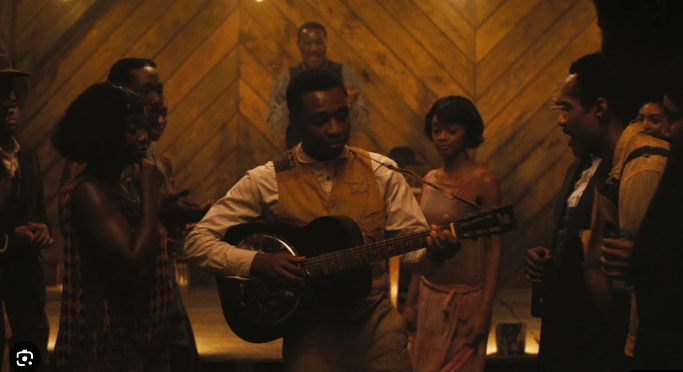
Visually, Sinners is absolutely stunning. Coogler and his cinematographer craft a Southern Gothic aesthetic that balances warm, golden pastoral beauty with shadowy, suffocating dread. Wide shots of lush Mississippi fields and moss-draped forests create a dreamlike, nostalgic atmosphere, while tight, dimly lit close-ups amplify claustrophobia and terror. The iconic juke joint sequence stands out as the film’s creative peak: swirling camera movements, dynamic dance choreography, and layered blues melodies turn a simple party scene into a spiritual ritual of resistance. Music in Sinners is not just background entertainment; it is a supernatural force, a weapon, and a form of ancestral protection. The film’s original blues score pulses with raw emotion, bridging pain and joy, trauma and resilience in ways few modern film soundtracks manage.
Where most horror films rely on jump scares and surface-level tension, Sinners builds dread through thematic weight. The true horror is not simply the vampire’s killings, but the slow, insidious process of cultural destruction. Coogler poses haunting questions: What does a community lose when its stories, music, and identity are stolen? What does survival cost when the world is designed to erase you? And what does it mean to be “sinners” in a society that criminalizes Black resilience while glorifying systemic exploitation? The film’s title itself is intentionally subversive, flipping traditional religious judgment to reveal that the real sinners are the systems and predators that consume marginalized communities.
If the film has minor flaws, they lie in its ambitious runtime and tonal shifts. At over two hours, Sinners juggles family drama, historical commentary, musical sequences, and full-blooded horror, which occasionally makes the pacing uneven. Some secondary characters could have benefited from deeper backstories, and the third act’s supernatural rules feel slightly rushed amid the film’s many thematic threads. These small issues, however, never detract from the film’s overwhelming power and originality.
What truly elevates Sinners to modern classic status is its rare ability to satisfy every type of viewer. For horror fans, it delivers relentless, stylish, bone-chilling thrills. For music lovers, it is a passionate celebration of blues heritage and Black artistic innovation. For audiences seeking meaningful storytelling, it offers a profound meditation on race, history, and cultural survival. In an era where most genre films prioritize formula over risk, Ryan Coogler’s bold, uncompromising vision feels revolutionary. He proves that commercial horror can be artistic, educational, emotionally resonant, and unapologetically political without sacrificing entertainment value.
Final Verdict
Sinners is a towering achievement in modern genre filmmaking. Blending Southern Gothic horror, soulful blues musicality, and hard-hitting historical commentary, Ryan Coogler has crafted a rich, terrifying, and deeply human story unlike anything in 2025 cinema. Led by Michael B. Jordan’s career-defining dual performance, the film balances visceral thrills with profound cultural weight, redefining vampire mythology as a powerful metaphor for Black resilience against exploitation and erasure. Ambitious, visually breathtaking, and thematically layered, Sinners is not only one of the year’s best horror films—it is a modern American epic that will be studied, discussed, and celebrated for years to come.
Leave a Reply